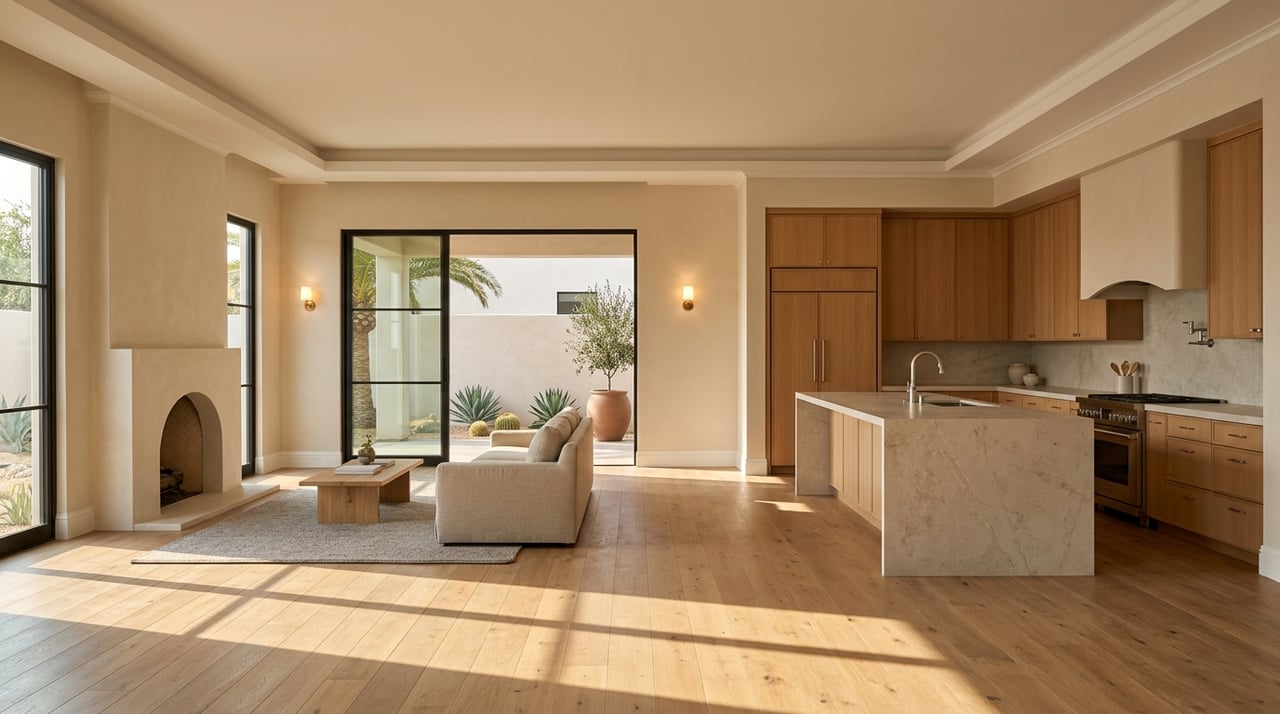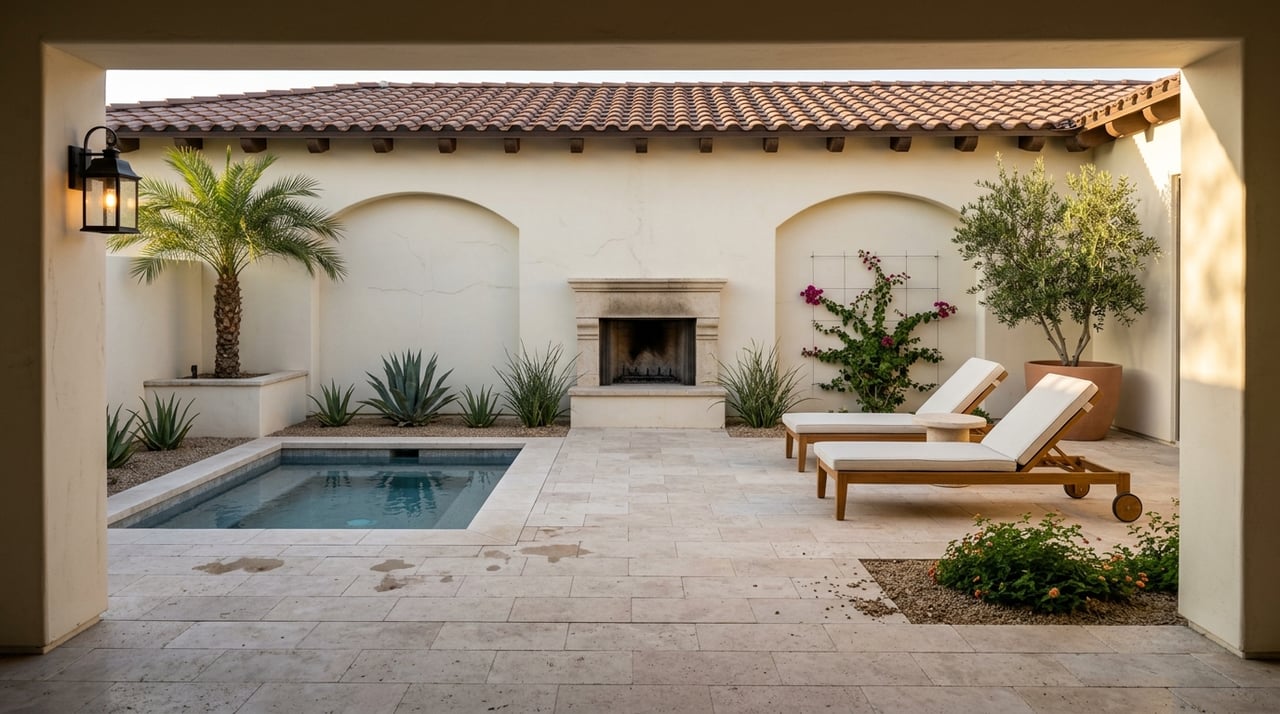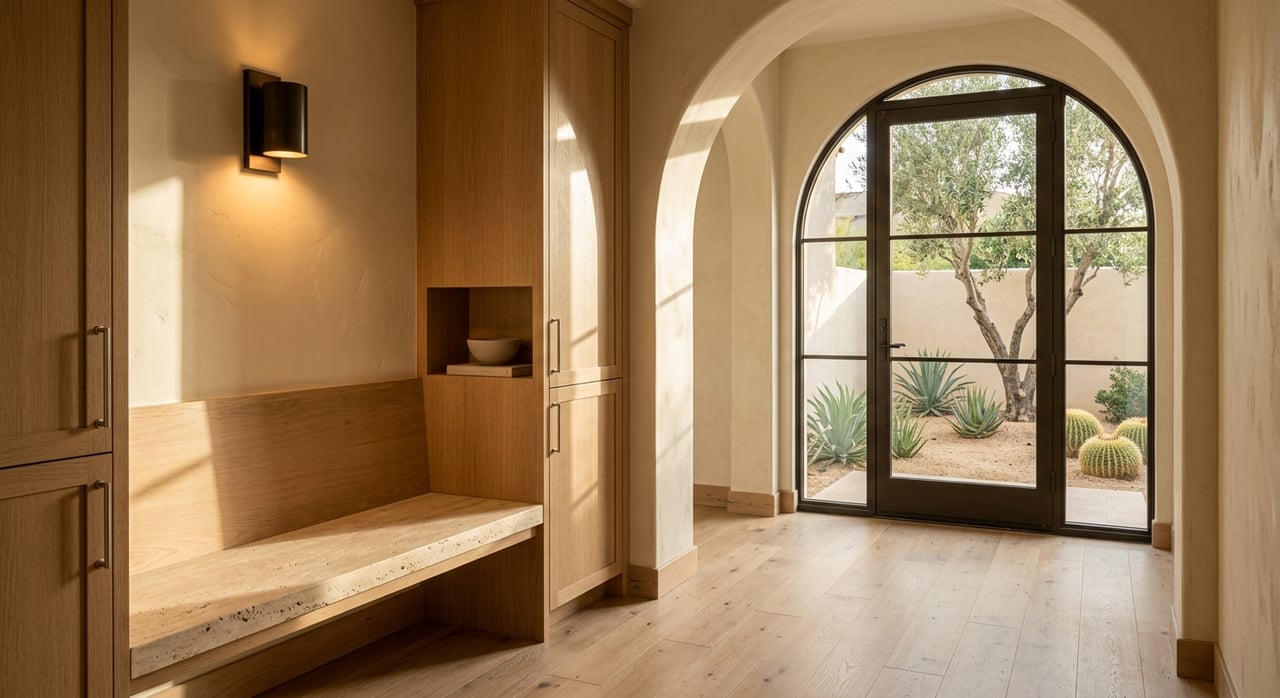
Dreaming of mild winters and blue-sky mornings in Queen Creek while keeping your main home up north? If you split time between states, the logistics can feel overwhelming. The good news is you can set everything up for a smooth, low-stress seasonal stay with a clear plan. In this guide, you’ll learn local utility steps, real-world costs, smart maintenance moves, and what to know if you rent your home short term. Let’s dive in.
Why Queen Creek works for seasonal living
Queen Creek sits in Arizona’s Sonoran Desert, which means hot summers and comfortable winters. The National Weather Service’s Phoenix office tracks the local pattern, including monsoon season that typically runs midsummer and can bring strong storms and brief, localized flooding near washes. You’ll enjoy sunny, mild days in winter, but you should plan for heat management and storm readiness in summer. If your property sits near a wash or arroyo, review flood maps and have a plan for runoff during the monsoon window.
For seasonal owners, this climate points to a few priorities: reliable air conditioning, smart irrigation, and regular checks after summer storms. With a simple system and the right vendors, you can manage most of this remotely.
Set up utilities before you arrive
Aim to open or transfer utilities 3 to 10 business days before you get to town. That buffer helps you avoid delays and gives you time to test systems.
Water and sewer
Queen Creek operates town water and wastewater services. New water accounts require a standard establishment payment of $150 total that includes a $125 refundable deposit after 12 months of on-time payments plus a $25 nonrefundable establishment fee. The Town typically asks for at least 2 business days to start service, and same-day turn-on may involve an extra fee and specific conditions. You can find setup details and scheduling on the Town’s Sign Up for New Service page.
- Action steps:
- Start water service 2 to 10 business days ahead of arrival.
- Confirm the service address, turn-on date, and billing contact info.
- Add autopay so bills are handled while you are away.
Trash and recycling
Curbside trash and recycling are provided through the Town’s solid-waste program and billed with your Town utilities. Confirm your collection day and ask about bulk pickup rules. If you are gone for long stretches, set reminders so bins are out the right week.
Electricity, natural gas, and internet
Most homes in Queen Creek are powered by Salt River Project for electricity, and many have natural gas service through Southwest Gas. Internet options typically include Cox and CenturyLink, though availability is address-specific. The Town’s Resident Resources page lists these providers and links to service portals so you can confirm coverage for your specific property.
- Action steps:
- Contact each provider 3 to 10 business days before arrival.
- Ask about deposits, credit checks, and ID requirements.
- Enroll in autopay and paperless billing for a smoother off-season.
Budget basics: what to expect annually
Every home is different, but these line items will help you build a realistic annual budget for a seasonal home in Pinal County.
- Property taxes: The Tax Foundation’s county data places Pinal County’s effective rate near about 0.52%. Your actual tax will vary by parcel based on the home’s value and local districts. Check the property’s current tax bill before you buy.
- Town utilities: Water accounts require the $150 startup payment noted above. Monthly charges vary with usage and whether solid-waste service is on your Town bill or covered by your HOA.
- HOA fees: Community dues in the area range widely based on amenities. Review the community’s CC&Rs and fee sheet so you know what is included.
- Pool service: Routine professional service typically runs $80 to $150 per month in the Phoenix-Queen Creek area, with chemicals, filter parts, and repairs as extra. If you are away most of the year, weekly service is worth it.
- Landscaping and irrigation: Plan roughly $100 to $400+ per month, depending on lot size and service level. Include a contingency for irrigation tune-ups, backflow testing, and plant refreshes.
- Insurance: Many homeowners policies limit or exclude coverage after 30 to 60 days of vacancy. Ask your insurer about a vacancy endorsement or a vacant-dwelling policy if you leave the home unoccupied for extended periods.
Keep it running while you are away
You can manage a seasonal home in Queen Creek with a few preventive moves and the right pros.
HVAC and plumbing safeguards
Schedule a professional AC tune-up before peak heat. Set a smart thermostat so you can monitor and adjust temperatures from your phone. If you plan a longer absence in winter, set a safe minimum and follow your HVAC pro’s guidance for protecting lines and condensate drains. Add smart leak detectors near sinks, the water heater, and the laundry.
Pool and irrigation care
Most owners use weekly or biweekly pool service. That routine keeps chemistry balanced and helps catch issues early. For irrigation, use a smart controller so you can adjust schedules remotely and respond to any water-use alerts your utility or HOA may send.
Pest control and scorpions
Bark scorpions and other pests are part of desert living. The University of Arizona Extension recommends integrated pest management, including sealing entry points and using targeted treatments as needed, because sprays alone may not solve the problem. Ask your pest pro about a quarterly program and a check before and after monsoon season.
Security and smart tech
Install smart locks, exterior cameras, and a monitored alarm. Use timers or a smart lighting schedule to make the home look lived in. If possible, ask a trusted neighbor or property manager to do periodic walk-throughs, especially after major storms.
If you plan to rent short term
Short-term rentals can help offset carrying costs, but you must set them up correctly in Pinal County.
- Register for taxes: Arizona requires short-term rental operators to register for the Transaction Privilege Tax and to remit state and local taxes on gross rental receipts. Review Pinal County guidance and confirm steps with the Arizona Department of Revenue.
- Follow local rules and HOA CC&Rs: County rules may include neighbor-notification and local contact requirements. Many HOAs have restrictions or minimum lease terms. Read your CC&Rs before you list.
- Check insurance: Standard homeowners policies often do not cover commercial short-term rental activity. Ask your agent about a proper short-term rental or commercial endorsement.
Your seasonal home checklists
Pre-departure checklist
- Confirm all utilities are active and on autopay. File the Town water account info and deposit details in your records.
- Set smart thermostat to a safe range. Verify your phone has access and alerts are on.
- Adjust irrigation to a conservative schedule or use frost-safety settings if you leave during winter. Confirm your pool service plan while you are away.
- Install or test smart locks, cameras, and water-leak sensors. Place interior lights on a timer.
- Arrange weekly or biweekly property checks by a trusted contact or manager.
- Notify your insurer if the home will be vacant beyond your policy’s time limit.
- Manage mail and parcels using USPS Hold Mail or forwarding, and coordinate packages with your HOA or a trusted contact.
Arrival checklist
- Turn systems to normal settings. Run the AC, test water fixtures, and power up appliances.
- Inspect for leaks, pests, and irrigation issues. Walk the yard and check the pool.
- Change HVAC filters and review thermostat schedules for comfort and efficiency.
- Update vendor contacts and confirm service days for pool, landscape, trash, and recycling.
How a local pro helps seasonal owners
A knowledgeable local agent can simplify every step so you enjoy your time in Queen Creek.
- Utility onboarding: Confirm providers, timelines, and deposits, and coordinate start dates so the house is ready when you arrive.
- Vendor network: Share vetted contacts for pool, HVAC, landscaping, pest control, and security, and help schedule services or seasonal checks.
- HOA and rental guidance: Review CC&Rs early to flag rental restrictions, contact rules, or amenity fees that may affect your plans.
- Seamless access: Coordinate lockbox setup, rekeying, and move-in or move-out walk-throughs when you are out of state.
If you want a seasonal home plan tailored to your lifestyle, reach out to Velma Herzberg to get started.
FAQs
What is Queen Creek’s monsoon season and how do I prepare?
- The Phoenix area’s monsoon window typically hits midsummer, bringing short, intense storms and localized runoff near washes. Secure outdoor items, set smart alerts, and have a post-storm check routine.
How much does monthly pool service cost in Queen Creek?
- Routine professional service in the Phoenix-Queen Creek area commonly runs about 80 to 150 dollars per month, with chemicals and repairs extra. Weekly plans are best if you are away.
Do I need special insurance for a vacant seasonal home?
- Many policies limit or exclude coverage after 30 to 60 days of vacancy. Ask your insurer about a vacancy endorsement or a vacant-dwelling policy so you stay protected.
What should I budget for landscaping and irrigation maintenance?
- Expect roughly 100 to 400 dollars per month depending on lot size and service level, plus a cushion for irrigation tune-ups and backflow testing.
Can I legally rent my Queen Creek home short term?
- Yes if you comply with Arizona and Pinal County rules, including registering for Transaction Privilege Tax and following any county and HOA requirements. Confirm details before listing.