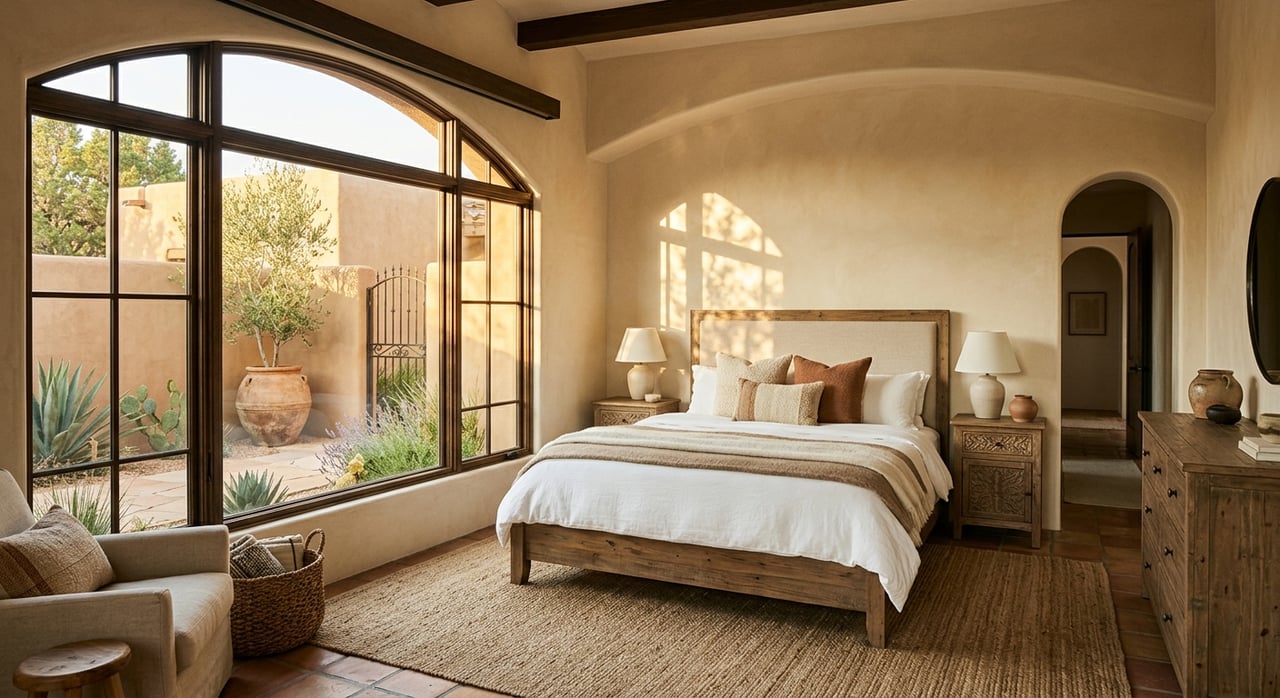
If you own a second home in Encanterra, you may be asking a smart question: should you sell it furnished, partially furnished, or empty? In a resort-style community that appeals to seasonal and lock-and-leave buyers, that choice can shape how your home shows, how buyers respond, and how smoothly your sale comes together. The good news is that with the right strategy, furnishings can become an advantage instead of a complication. Let’s dive in.
Why Furnishings Matter in Encanterra
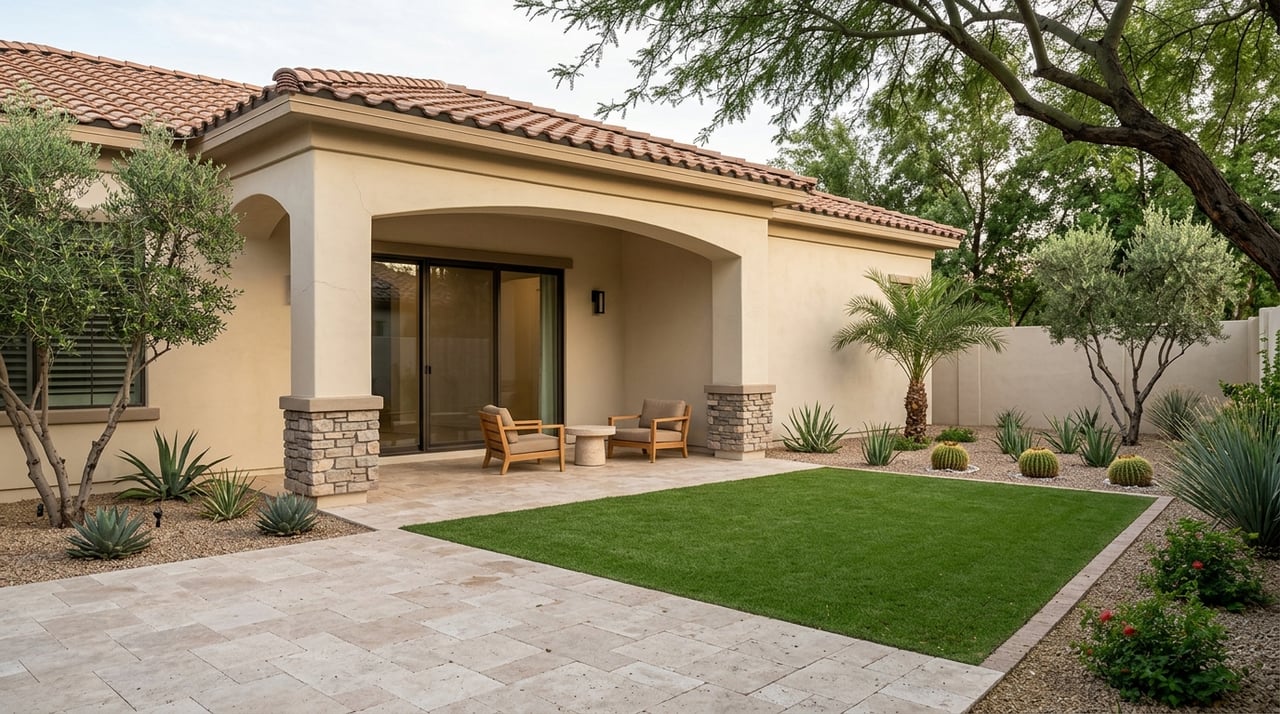
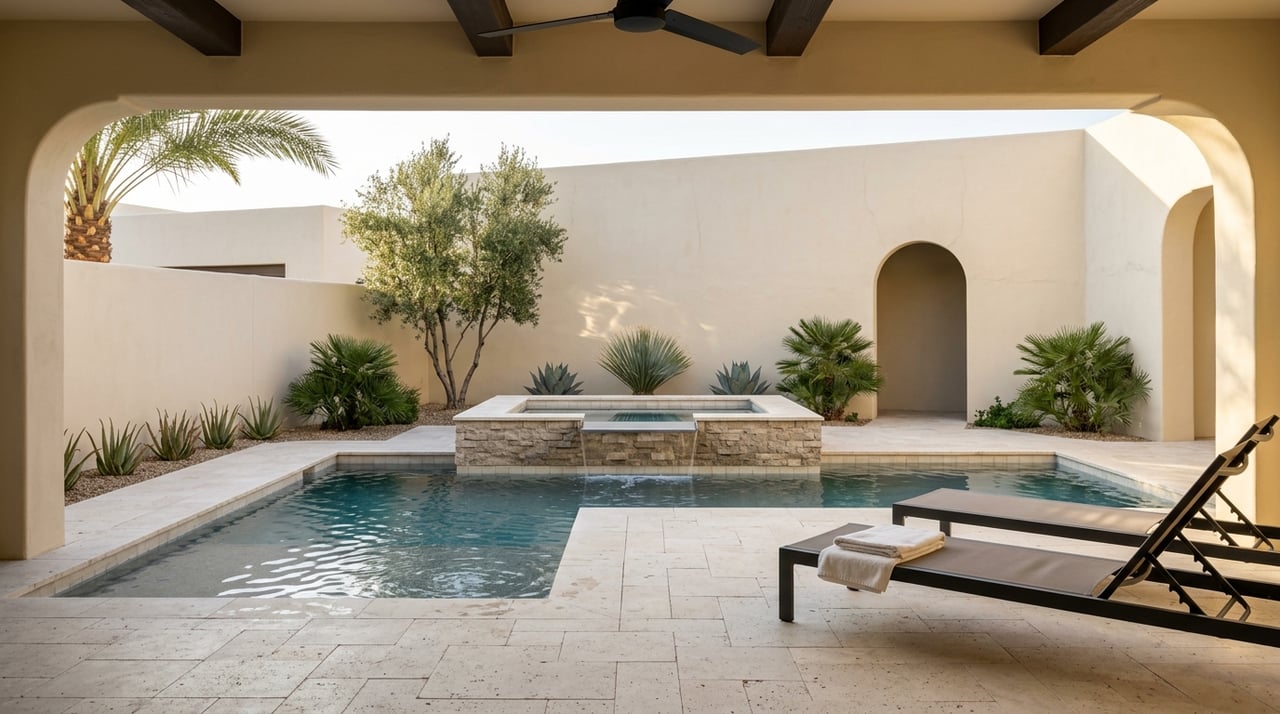
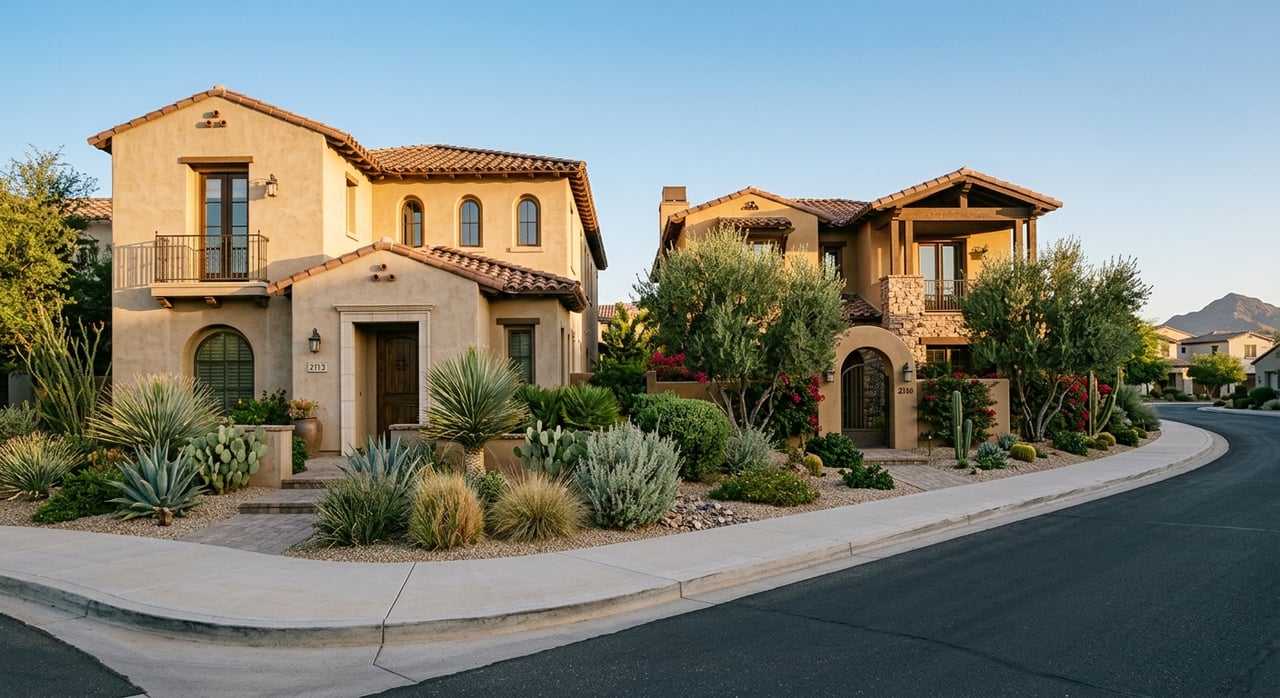
Encanterra is presented by Shea Homes as a resort community in Queen Creek with golf, pools, a spa, pickleball, dining, and home designs that support seasonal living. The community also includes both partial 55+ and all-ages living, which can widen the potential buyer pool for a second-home resale. You can explore that positioning on the Encanterra community page from Shea Homes.
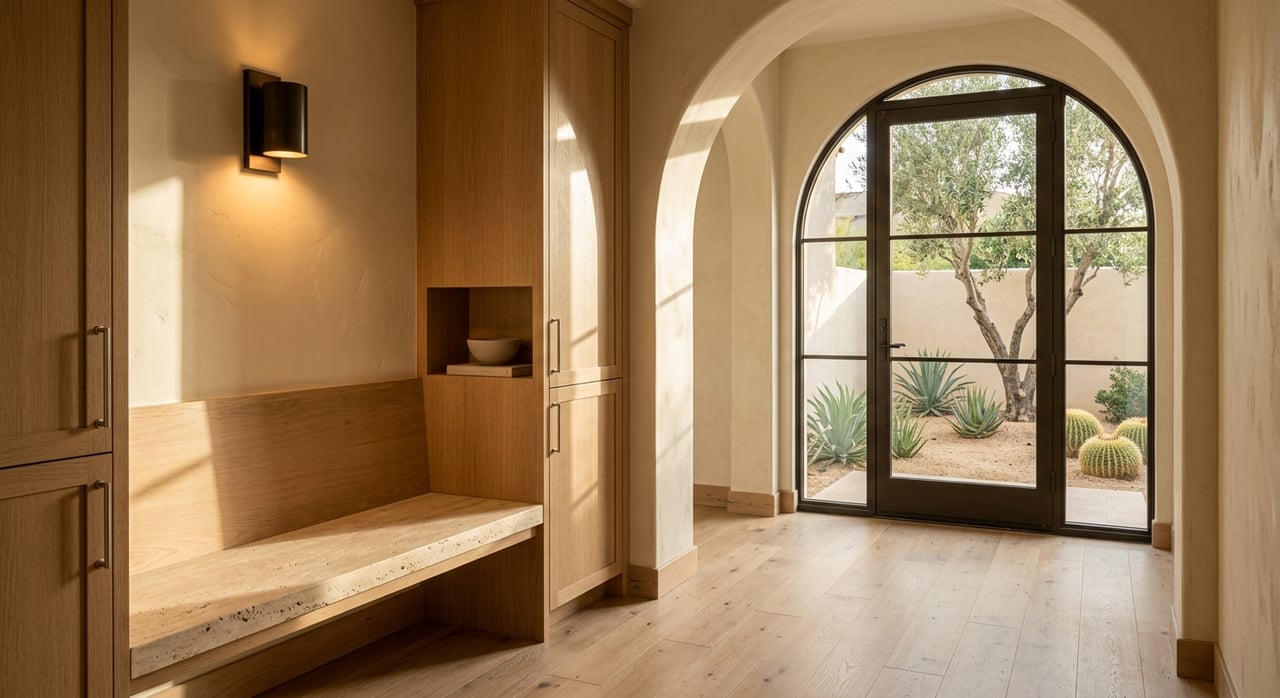
That matters because many buyers shopping in Encanterra are not just comparing square footage. They are also looking at ease, lifestyle, and how quickly they can begin using the home. A thoughtfully furnished property can help your home feel move-in ready, especially for buyers who want a part-year residence.
Furnished Homes Can Support Buyer Appeal
Furniture is not automatically a selling point, but the right furniture can help your home present better online and in person. According to the National Association of Realtors 2025 staging report, 83% of buyers' agents said staging made it easier for buyers to visualize a property as a future home, 29% said staging increased the dollar value offered by 1% to 10%, and 49% of sellers' agents said staged homes sold faster.
In practical terms, a well-edited furnished home can work much like staging. If your furniture is current, proportional, and not overcrowded, it may help your listing photos look stronger and help buyers picture themselves enjoying the home from day one.
When Furnishings Help Most
Furnishings often add the most value when they support the way buyers expect to use the property. In Encanterra, that can mean a lock-and-leave setup, a comfortable guest suite, or outdoor spaces that already feel ready to enjoy.
A furnished sale may also be easier for out-of-state owners who do not want to fully empty the home before listing. If your pieces fit the home well and create a clean, polished look, keeping key items in place can simplify preparation while still supporting a strong presentation.
When Furnishings Can Hurt
Not every furnished home shows well. Dated, oversized, heavily worn, or highly personal pieces can distract buyers and make rooms feel smaller or less flexible.
If the furniture does not elevate the home, it can create more questions than value. In those cases, a partial-furnishings approach or a more selective presentation may be the better path.
Treat Furniture as a Negotiated Asset
One of the biggest mistakes sellers make is treating furnishings like a vague bonus. In Arizona, that can create confusion because real property and personal property are not the same thing.
The State Bar of Arizona explains that fixtures are items permanently attached to the property, such as built-in shelves, ceiling fans, chandeliers, towel racks, and carpet. By contrast, the IRS treats items like furniture, drapes, lawn equipment, and washer/dryers as personal property when they are not a permanent part of the home.
That distinction matters during a furnished second-home sale. If a chair, patio set, or bedroom suite is staying, it should not be left to assumption.
Put Everything in Writing
The Arizona Department of Real Estate makes this point very clearly: important terms should be expressly written into the contract, and consumers should get agreements in writing. You can review that guidance in the ADRE contract FAQ.
For a furnished sale, the cleanest approach is to document exactly what stays, what goes, and whether the transfer is full or partial. The more specific you are upfront, the fewer surprises you are likely to face later.
What to Document
A strong furnished-sale strategy usually includes:
- An itemized inventory of included furnishings, patio pieces, and appliances
- A written list of exclusions for anything you plan to keep
- Photos or condition notes for included items
- Clear language about whether the sale is fully furnished or only partially furnished
This level of detail helps protect both sides and makes the final walkthrough much smoother.
Pricing a Furnished Second Home
Furniture can influence perceived value, but that does not mean every included item should simply be rolled into your asking price without a plan. In some transactions, separating the home price from the furniture value can reduce confusion.
The Consumer Financial Protection Bureau's commentary on disclosure rules notes that when personal property is separately valued from real property, only the real property value is disclosed. Fannie Mae also notes that a one-unit principal residence may not include personal property such as appliances, furniture, or equipment that could be considered additional security.
For you as a seller, the takeaway is simple: furniture should be discussed strategically, not casually. Depending on the buyer and the financing structure, it may make sense to handle the home and the contents with separate pricing logic.
A Smart Pricing Mindset
Instead of assuming furniture automatically raises value, ask a more useful question: does it improve marketability? In Encanterra, attractive furnishings may help your home feel turnkey and support a better first impression. That can strengthen buyer interest.
At the same time, furniture also adds negotiation points. Buyers may want some items but not others, or they may expect certain pieces to stay based on listing photos. Clear planning on the front end can help you avoid last-minute friction.
Tax Questions Deserve Attention
Selling a furnished second home can create two separate tax issues: one for the real estate and one for the contents. That is especially important for many Encanterra owners, since second homes are common in the community.
The IRS states that a second residence such as a vacation home is treated as a capital asset and is reported on Schedule D and Form 8949. The IRS also notes that the full home-sale exclusion does not apply if the entire property was used as a second home after 2008. You can review that guidance in the IRS FAQ on the sale of a home.
IRS Publication 523 also says that if you receive money for furniture or other personal property, that amount is not part of the home's selling price. It says amounts received from selling personal property, including furniture, drapes, lawn equipment, and washer/dryers, are reported separately. See IRS Publication 523 guidance for more detail.
If the Home Was Ever Rented
If your Encanterra home was ever rented or used for business, the tax picture may be more complex. IRS guidance explains that depreciation can reduce basis and may need to be recaptured when the property is sold, and furniture is among the types of property that can be depreciated when used in an income-producing activity.
That is why furnished second-home sales deserve extra care when the property had mixed use. If that applies to you, it is wise to work with a tax professional before you finalize your pricing or contract structure.
Disclosures and Closing Details
In Arizona, disclosure rules still apply in a furnished sale. The Arizona Department of Real Estate says licensees must disclose in writing information that materially or adversely affects the consideration paid by either side, including material defects and liens or encumbrances. ADRE also explains that the seller's property disclosure statement is part of the resale process. You can review that information in the ADRE disclosure guidance.
For a furnished transaction, that reinforces the need to be precise. If an included appliance, patio heater, or built-in sound component has a known issue, it is better to address it clearly rather than leave room for misunderstanding.
Best Steps Before You List
If you are preparing to sell a furnished second home in Encanterra, these steps can help you stay organized:
- Decide early if the home will be fully furnished, partially furnished, or unfurnished.
- Remove sentimental, fragile, or excluded items before photography.
- Create a written inventory of what will convey.
- Make sure the listing photos match what the buyer can expect to receive.
- Review contract questions with an Arizona real estate attorney if needed.
- Speak with a tax professional if the home was rented, depreciated, or used as a second home for tax purposes.
This kind of planning supports a cleaner sale and a more confident buyer experience.
Why Strategy Matters in Encanterra
In a community like Encanterra, furnishings can do more than fill a room. They can help tell the story of a low-maintenance, seasonal, resort-style home that feels ready to enjoy. But they only help when they are curated well and documented clearly.
The strongest approach is to treat furnishings as part of your selling strategy, not as an afterthought. With thoughtful presentation, written terms, and clear pricing logic, you can reduce friction and position your home more effectively for the buyers most likely to appreciate it.
If you are weighing whether to sell furnished, partially furnished, or unfurnished, Velma Herzberg can help you build a smart plan for presentation, marketing, and negotiation in Encanterra.
FAQs
Should you sell a second home in Encanterra furnished?
- It depends on the quality of the furnishings, your target buyer, and whether the furniture helps the home feel move-in ready rather than cluttered or dated.
What items count as personal property in an Arizona home sale?
- Items like furniture, drapes, lawn equipment, and some appliances are generally treated as personal property when they are not permanently attached to the home.
How should furniture be handled in an Arizona real estate contract?
- Furniture and other included contents should be clearly listed in writing so both sides know exactly what stays and what does not.
Can furniture be priced separately from the house in a furnished sale?
- Yes, and in some cases that can reduce confusion, especially when financing or disclosure rules make it important to distinguish real property from personal property.
Are there tax differences when selling a furnished second home?
- Yes. The home sale and the sale of personal property such as furniture may be treated differently for tax purposes, which is why many sellers should consult a tax professional.
What if your Encanterra second home was rented before selling?
- If the property or its furnishings were used in an income-producing activity, depreciation and recapture rules may affect the tax treatment of the sale.