Selling in Encanterra can feel simple on the surface, but a smooth sale usually starts weeks before your home ever hits the market. Buyers here are often comparing not just square footage and finishes, but also the overall lifestyle, timing, and community details that come with the property. If you want to sell with less stress and more control, the right timeline matters. Here’s what to expect and how to plan with confidence.
Why timing matters in Encanterra
Encanterra has strong lifestyle appeal, with two club centers, restaurants, pools, a spa, pickleball, and an 18-hole golf course highlighted by Shea Homes. That means many buyers are evaluating the full experience of living here, not just the home itself. For you as a seller, that creates opportunity, but it also means presentation and clarity matter.
The market also calls for strategy. Recent neighborhood data showed a median listing price around $535,000, only 4 active listings, a median 89 days on market, and a 98% sale-to-list ratio in June 2026. Broader Queen Creek data showed 78 days on market in May 2026 and 98.8% of list price received, which suggests homes can sell well when they are priced and prepared thoughtfully.
Start planning 8 to 12 weeks early
If you want a confident sale, this is the ideal starting window. It gives you time to make decisions without feeling rushed and helps you avoid preventable delays once a buyer appears. In a community where lifestyle marketing and paperwork both matter, early preparation gives you an edge.
Set your pricing strategy first
Your pricing conversation should happen early, before repairs or photography begin. This helps you understand how your home fits into current Encanterra and Queen Creek market conditions and what level of preparation makes sense. A strong launch usually starts with realistic pricing, not guesswork.
Walk through the home with a plan
This is the time to assess what needs attention. You may decide to tackle minor repairs, touch-up paint, landscaping updates, or staging improvements that help your home show at its best. Velma Herzberg’s concierge-style approach is especially valuable here, since thoughtful presentation can support premium positioning.
Flag HOA and community paperwork early
Arizona planned community law requires the association to deliver resale documents within 10 days after written notice of a pending sale, and the association may charge up to $400 for that package. Even though that timing starts after a pending sale, it is smart to identify paperwork needs early. In practice, HOA documents are one of the most common areas where closings lose momentum.
Use the next 4 to 6 weeks for prep
Once your strategy is in place, focus on getting the home market-ready. This is the phase where details come together and where your future listing starts to take shape. A polished home tends to create better first impressions, both online and in person.
Finish repairs and refresh key spaces
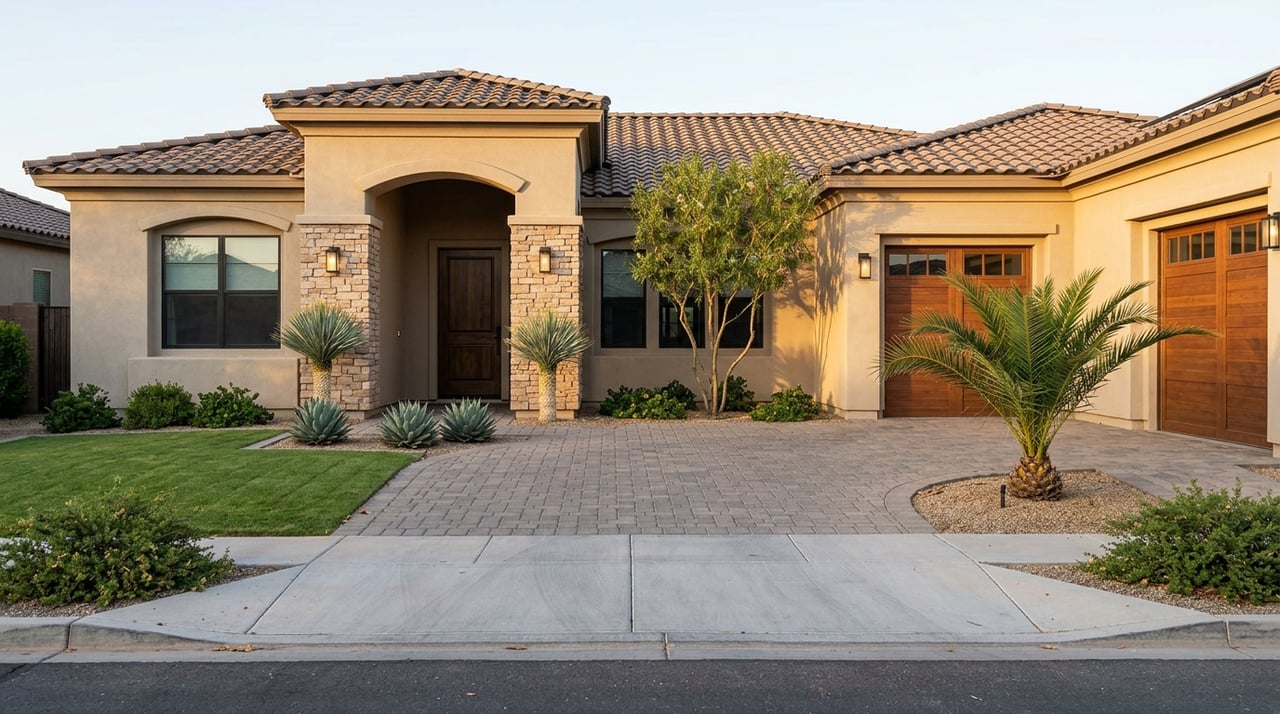
Small updates can make a noticeable difference. Deep cleaning, decluttering, paint touch-ups, and curb appeal work can help buyers focus on the home instead of a to-do list. In a market where buyers may spend time comparing options, clean presentation matters.
Plan photos around conditions
Photography should happen after the home is fully ready. If you are selling during the hotter months, it helps to schedule exterior work and photos with the weather in mind. Phoenix climate data shows average July highs of 107.6°F, which is one reason many Southeast Valley sellers prefer to prepare and photograph before peak summer heat.
Finalize details 1 to 2 weeks before listing
This is the stage where many important but easy-to-miss details should be locked down. By now, the house should look ready and the marketing plan should be clear. Your focus shifts from preparation to launch.
Confirm listing and showing logistics
Make sure your showing instructions, gate or entry notes, and marketing remarks are accurate and easy to follow. In a gated or lifestyle-driven community, smooth access and clear communication help buyers and agents experience the home without friction. Little logistical issues can have an outsized impact during the first days on market.
Prepare seller disclosures
Arizona’s form library identifies the Residential Seller’s Property Disclosure Statement, or SPDS, as the seller disclosure form used in a home sale. The same library includes the HOA Condominium/Planned Community addendum used for association-related fees and disclosures. Having these items organized helps reduce back-and-forth later.
Be clear about club membership
In Encanterra, club membership is separate from deeded home ownership and is subject to club approval, dues, and fees. Buyers may assume certain privileges transfer automatically, so it is important to separate what comes with the property from what belongs to the club. Clear expectations now can prevent confusion later.
What to expect in the first 10 to 14 days
The first two weeks on market often reveal whether your price, presentation, and positioning are working. This is not always a one-weekend market, and Encanterra’s median 89 days on market supports that point. A measured launch is normal, but buyer feedback still matters right away.
Watch showing activity closely
If showings are steady and feedback is positive, your launch is likely on the right track. If activity is light or the same concerns keep coming up, you may need to adjust quickly. The goal is to respond early, before momentum fades.
Use feedback to refine strategy
Comments about condition, layout, pricing, or outdoor presentation can be useful signals. In a lifestyle-focused neighborhood, buyers may also react to how well the listing explains the community experience and property specifics. A responsive strategy helps keep your home competitive.
Under contract is a new phase
An accepted offer is a major milestone, but it is not the finish line. Once you are under contract, the process becomes more deadline-driven and document-heavy. This is where preparation often pays off.
Expect inspections and negotiations
Most sellers should plan for inspections, possible repair discussions, appraisal steps, title review, and loan-related milestones on the buyer’s side. Arizona title guidance commonly describes escrow as taking about 30 to 45 days or more after the contract is signed. That means your sale may still have several important checkpoints ahead.
Move HOA documents quickly
Arizona law requires a planned community resale packet to include items such as the bylaws, declaration, assessment information, financials, reserve study, and a summary of pending lawsuits. Because buyers and their representatives review these closely, delays here can affect the overall timeline. Starting fast once you are pending helps keep closing on track.
Keep community details straightforward
In Encanterra, questions often come up about the difference between HOA-related items and club-related items. The cleanest approach is simple, factual communication about what is deeded, what is governed by the association, and what requires separate club approval or fees. That clarity builds trust and reduces surprises.
When is the best time to list?
For many Encanterra sellers, late winter through spring is the strongest window. National housing activity typically peaks in spring and summer, and local climate patterns make spring especially practical in the Southeast Valley. You are more likely to get comfortable showing conditions, strong curb appeal, and easier outdoor photography before the most intense summer heat arrives.
That said, the best time for you also depends on your home’s condition, your moving plans, and how much prep work is needed. A well-prepared home launched at the right moment usually performs better than a rushed listing aimed at an arbitrary date. Timing should support your strategy, not replace it.
A simple Encanterra seller timeline
If you want a quick planning framework, here is the easiest way to think about it:
- 8 to 12 weeks before listing: pricing, walk-through, repair planning, staging decisions, landscaping review
- 4 to 6 weeks before listing: complete repairs, deep clean, declutter, refresh curb appeal, prepare for photos
- 1 to 2 weeks before listing: finalize remarks, showing instructions, gate details, disclosures, and community information
- First 10 to 14 days on market: monitor showings, review feedback, and adjust if needed
- Under contract to closing: manage inspections, appraisal, title, HOA documents, and final walkthrough
The big takeaway is simple. Selling your Encanterra home is usually a two-part process: a preparation phase before listing and a deadline-driven phase after acceptance. When both parts are handled well, you put yourself in a stronger position to sell with confidence.
If you are thinking about your next move, working with a local expert who understands Encanterra’s pricing, presentation, and community details can make the process far more manageable. To plan your sale with a thoughtful, concierge-level strategy, connect with Velma Herzberg.
FAQs
How far in advance should you start selling a home in Encanterra?
- A good rule is at least 6 to 8 weeks, with 8 to 12 weeks being safer if your home needs repairs, staging, landscaping updates, or document preparation.
What is a realistic timeline for selling an Encanterra home?
- Many sellers should plan for several weeks of prep before listing, then a meaningful marketing period, followed by roughly 30 to 45 days or more in escrow after going under contract.
What paperwork matters most when selling a home in Encanterra?
- Key items include seller disclosures, association-related forms, and the planned community resale packet, which can become a major timeline issue if not handled promptly.
Does club membership transfer automatically with an Encanterra home sale?
- No. Club membership is separate from deeded home ownership and is subject to club approval, dues, fees, and application requirements.
What usually delays an Encanterra home closing?
- Common issues include HOA packet timing, repair negotiations, appraisal questions, and confusion about what belongs to the property versus what is tied to the club or association.